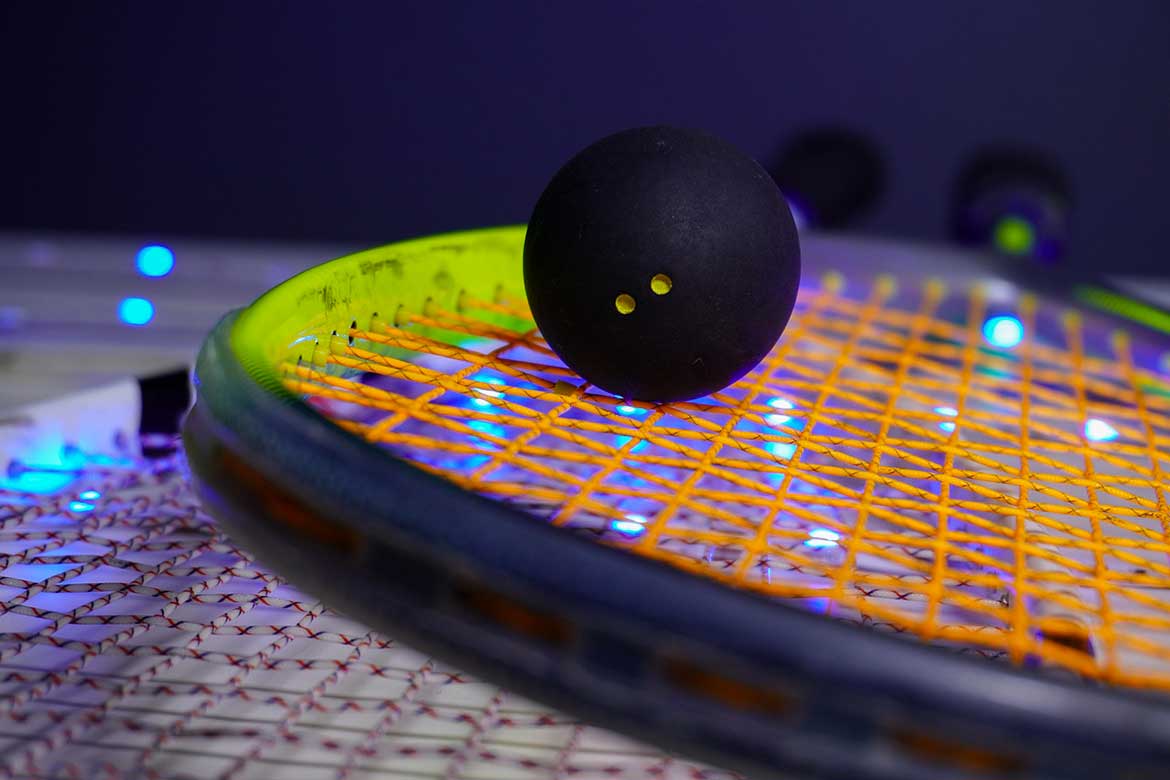
For anyone discovering squash for the first time, the sport can appear fast, intense, and almost chaotic. Players whip the ball against the front wall at astonishing speed, dart across the court with explosive footwork, and rally relentlessly until someone finally earns a point. Yet beneath this intensity lies a remarkably structured framework, built on a well-defined scoring system that has evolved significantly over time. Understanding how squash scoring works is essential not only for players and coaches, but also for spectators who want to appreciate the subtleties of this dynamic sport. While the rules might seem simple at first glance, they contain layers of detail, strategic implications, and historical context that shape the way matches are played at every level.
Squash scoring has not always looked the way it does today. For decades, different regions and organizations used distinct systems, which occasionally caused confusion for newcomers and even for seasoned athletes. In recent years, the Professional Squash Association (PSA) and major governing bodies worldwide have embraced a universal scoring structure that places clarity and pace at the forefront. As a result, the modern game is more viewer-friendly, more predictable in length, and more aligned with the rhythm of contemporary competitive sports. Still, vestiges of earlier traditions remain, and understanding them helps explain why certain tactics, phrases, and customs still appear on court today.
To grasp squash scoring in all its complexity, it’s helpful to begin with the basic rules used in most international competitions. From there, we can explore variations, compare older systems, break down referee decisions, examine tie-break scenarios, and learn how the score shapes strategic choices during a match. By the time you finish reading, you’ll have a complete, nuanced view of a system that is both elegant in design and surprisingly rich in strategic depth.
The basics: games, points, and rally scoring
At its core, squash is played as a match composed of individual games. Most competitions adopt a best-of-five structure, meaning the first player to win three games claims the match. Each game is played to 11 points, and crucially, the scoring uses what is known as rally scoring, which means that whichever player wins the rally, regardless of who served, earns the point. This modern system is commonly referred to as PAR 11 (Point-A-Rally to 11). It stands in contrast to the traditional hand-in, hand-out format that dominated the sport for much of its history. Rally scoring significantly accelerated match tempo and made the scoring easier to follow for casual observers and broadcasters. For the official rules and detailed regulations, see the World Squash Officiating (WSO) rules.
Despite the apparent simplicity of reaching 11 points, games can extend beyond that number. A player must win by two points, so if the score reaches 10–10, the game continues until someone creates a two-point gap, such as 12–10 or 13–11. This can lead to dramatic, suspenseful moments, especially at the professional level where rallies become increasingly tactical as players fight to seize control of the final exchanges.
How a single point is scored
Before exploring scoring in depth, it’s worth understanding how a single point unfolds. A rally begins with the serve, which alternates between the players depending on who won the previous point. The server chooses from which side of the service box to initiate the point. The ball must hit the front wall above the service line and land in the opposite back quarter of the court. Once the returner sends the ball back, the rally becomes a free-flowing exchange of shots that can incorporate drives, drops, boasts, lobs, and everything in between. The rally ends when one player fails to return the ball before it bounces twice, when the ball hits the tin or goes out, or when an obstruction or interference issue results in an official decision.
At this stage, the referee may award one of three outcomes: a let, a no-let, or a stroke. Each directly impacts scoring, determining whether a point is replayed, awarded, or lost. A let occurs when the interference is judged incidental and unavoidable, or when the affected player could still have played a reasonable return. A no-let denies the claim for interference, often because the player would not have been able to reach the ball anyway or created the interference themselves. A stroke, on the other hand, awards the point outright to the obstructed player, usually because the opponent impeded their ability to make a winning or safe return.
Historical scoring systems
Although PAR 11 is the dominant system today, squash has a long history of alternative scoring methods. The most famous is the hand-in, hand-out style, sometimes referred to as English or international scoring. In that format, only the server could win a point; if the receiver won the rally, they gained the serve but not a point. Games were typically played to 9 points, with a tiebreak at 8–8 where the receiver could choose whether to play to 9 or extend to 10. While this system encouraged long rallies and defensive play, it also made match duration unpredictable, which became a challenge for televised events and professional scheduling.
Women’s squash previously used a 9-point system where every rally counted regardless of who served. This format was faster than traditional hand-in, hand-out, but still carried some limitations that led governing bodies to adopt the universal PAR structure. Today, some recreational clubs and junior events continue to experiment with alternative scoring, such as PAR 15, to extend rallies and encourage learning.
The strategic impact of scoring
The modern scoring system rewards aggression, precision, and initiative. Since both players can win points on any rally, momentum shifts continually. A competitor who starts slow can regain control with a few well-executed winners, while a comfortable lead can evaporate in seconds if concentration falters. The flow of scoring directly influences how players manage their physical space and decision-making.
For instance, at 9–9 in a crucial game, a player might adjust their shot selection to reduce the risk of being trapped and losing a stroke. Conversely, a well-timed attacking shot might force the opponent into a defensive position where interference becomes likely, potentially resulting in a stroke and a vital point. The scoring system doesn’t merely track progress; it actively shapes the physical and tactical character of the sport.
Tie-breaks and psychological pressure
Tie-breaks highlight the fine margins in squash. When a game reaches 10–10, players must win by two clear points. This ensures that games are decided by skill and composure rather than luck. A 12–10 victory might reflect a brilliant burst of aggression or a disciplined sequence of consistent depth and precision. As scores climb beyond 13–13, each rally gains enormous psychological weight. Elite players often adapt their style in these moments, choosing safer drives or, alternatively, launching aggressive attacks to catch their opponent off guard. The scoring system, with its win-by-two requirement, creates suspense that defines the sport’s drama.
The serve and initiating rallies
Though PAR allows points to be won regardless of who is serving, the serve remains crucial. It is the only moment when a player has complete control over the rally’s start. A well-placed serve can set immediate pressure, eliciting a weak return that allows the server to dominate the point. At high levels, players vary height, angle, and pace to keep opponents guessing. Since every rally counts, building initiative from the very first shot is invaluable.
Scoring, momentum, and match flow
Scoring communicates the narrative of momentum. A competitor might win the first game 11–3 and seem in control, only to lose the next 12–10 as the opponent finds rhythm. Sometimes, a close game—even one lost—sparks a dramatic reversal. The scoreboard reflects physical endurance as much as tactics. In long matches that extend to five games, opening games feature lengthy rallies and probing shots, while later games see players relying more on quick attacks and mental sharpness as fatigue sets in.
Coaching, analytics, and player development
Modern scoring shapes coaching philosophies. Coaches emphasize assertive play, rapid recovery, and precise shot placement. Players learn that unforced errors or poorly judged strokes are far costlier under PAR scoring. Video review systems and analytics platforms allow players to analyze rally patterns related to scoring, identify weaknesses, and adjust strategies. This data-driven approach helps athletes refine tactics with remarkable precision.
Mental resilience and pressure management
The mental dimension is inseparable from scoring. Athletes practice scenarios like defending a 9–7 lead or starting every rally at 9–9 to simulate pressure. These exercises develop focus, emotional control, and decision-making under stress. Each point in squash carries weight, amplifying both the challenge and the satisfaction of mastering the sport mentally.
Recreational and team play
Understanding scoring enhances enjoyment at all levels. Recreational players often modify formats—like PAR 15, handicap systems, or timed matches—to suit court time and skill balance. Team competitions use individual match results to contribute to an overall team score, making every point potentially decisive. Even casual players benefit from learning official rules, ensuring smooth gameplay, fairness, and a shared understanding of let and stroke situations.
Equipment, technology, and broadcast
Equipment and court design interact subtly with scoring. Racquet advances allow more aggressive shot-making, while standard balls and court dimensions preserve rally control. Glass-backed show courts improve visibility for audiences, enhancing the clarity of live scoring graphics. Digital platforms track results, analyze trends, and provide insight into scoring patterns, reinforcing the connection between performance, analytics, and strategy.
The global impact and sport culture
Squash scoring contributes to the sport’s global identity. Unlike other racket sports, PAR 11 blends immediacy and endurance, appealing to diverse audiences. Cultural differences influence how scoring and etiquette are taught, but the universal adoption of PAR 11 enables seamless international competition. Understanding scoring also strengthens the social aspect of squash, as players respect rules, maintain etiquette, and enjoy more structured and fair matches.
Conclusion: why scoring defines squash
Learning how squash scoring works reveals much more than how to track a match. It uncovers the logic and philosophy underlying one of the most intense, elegant, and cerebral racket sports in the world. Scoring shapes tactics, movement, equipment choices, training, mental resilience, and competitive strategy. It determines the emotional cadence of matches, transforming numbers into a narrative of highs, lows, breakthroughs, and setbacks. Whether watching professional finals or playing socially, understanding scoring allows one to see the sport’s true complexity and appreciate mastery on court.
Modern squash thrives because its scoring system strikes a perfect balance: simple enough for beginners, yet layered enough to challenge elite athletes. Each point carries weight, each rally influences momentum, and each decision feeds into the relentless march of numbers on the scoreboard. That blend of clarity and depth is what makes squash such a compelling spectacle and a profoundly rewarding sport to play.